Double Glazing (4+16+4)
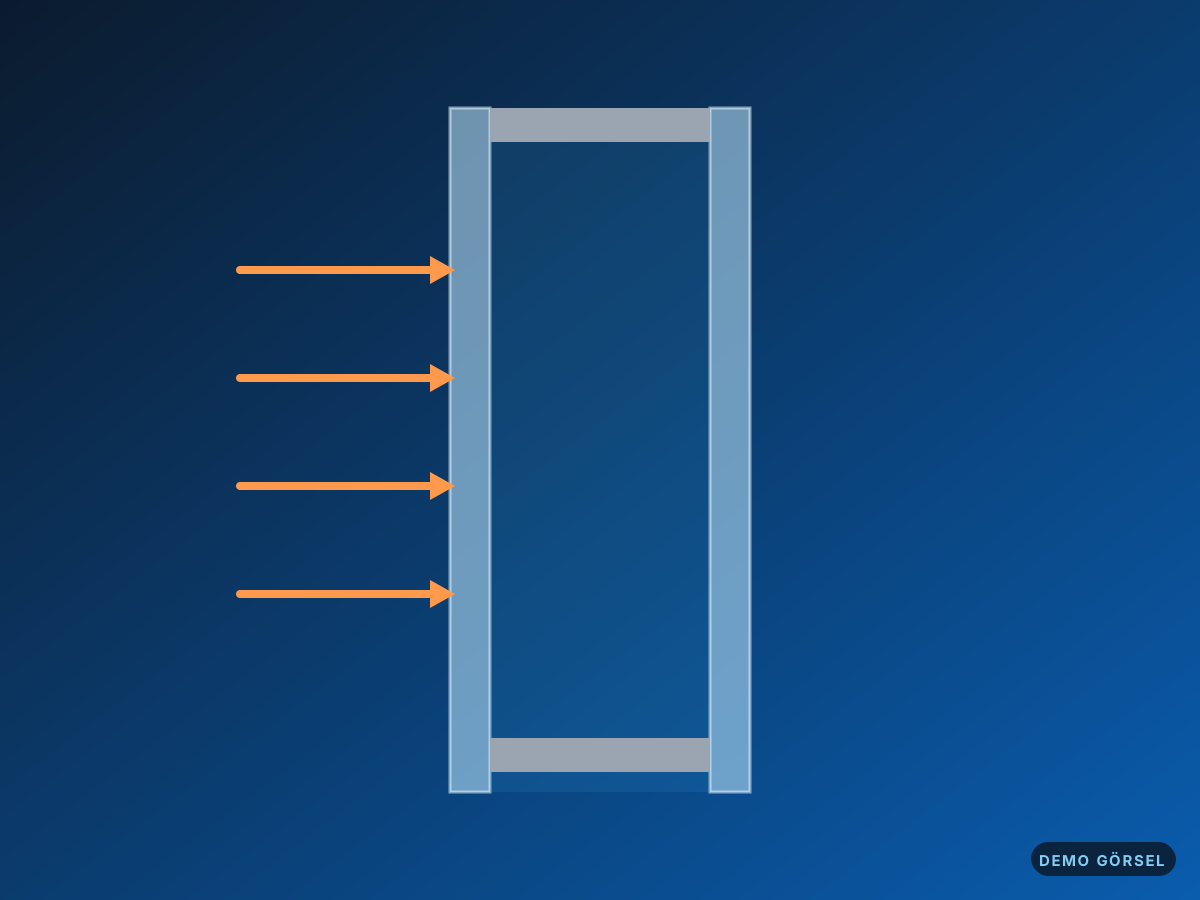
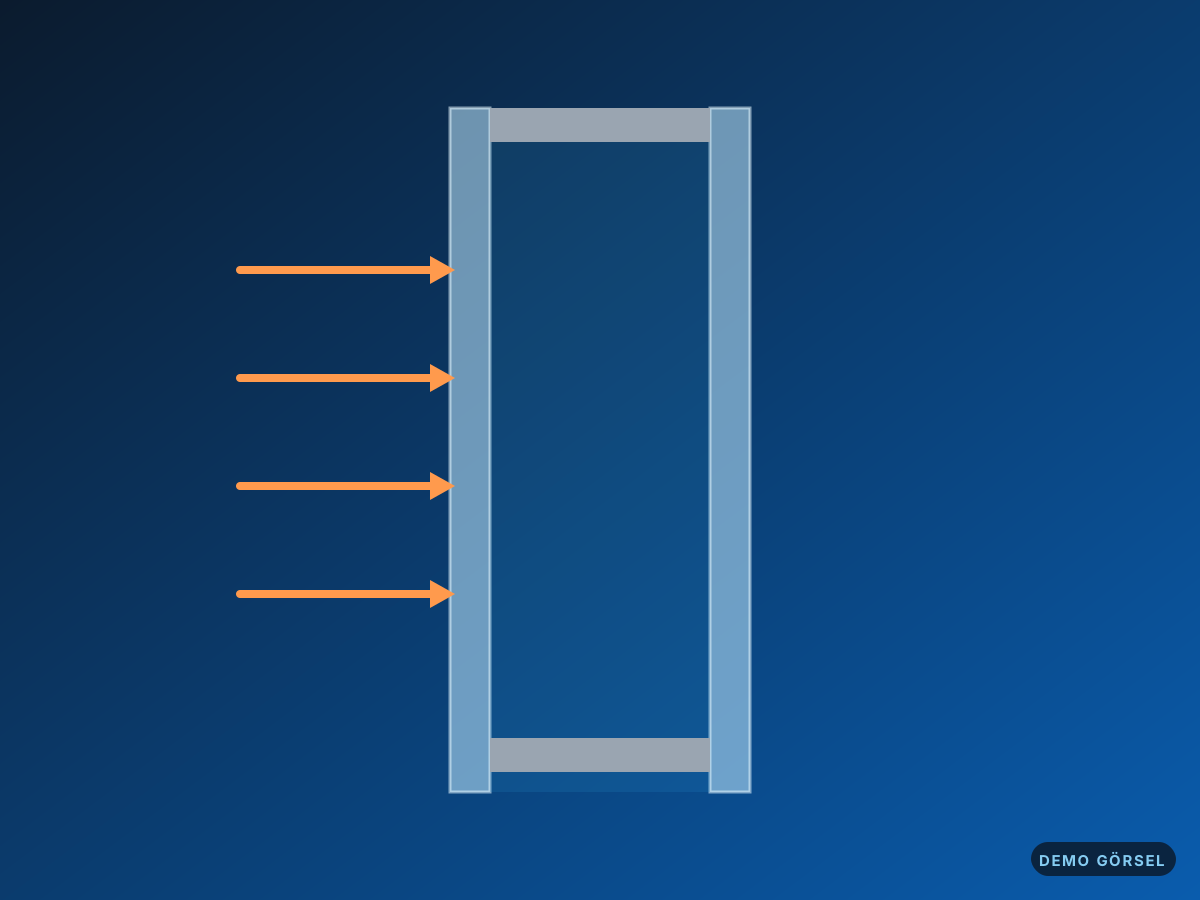
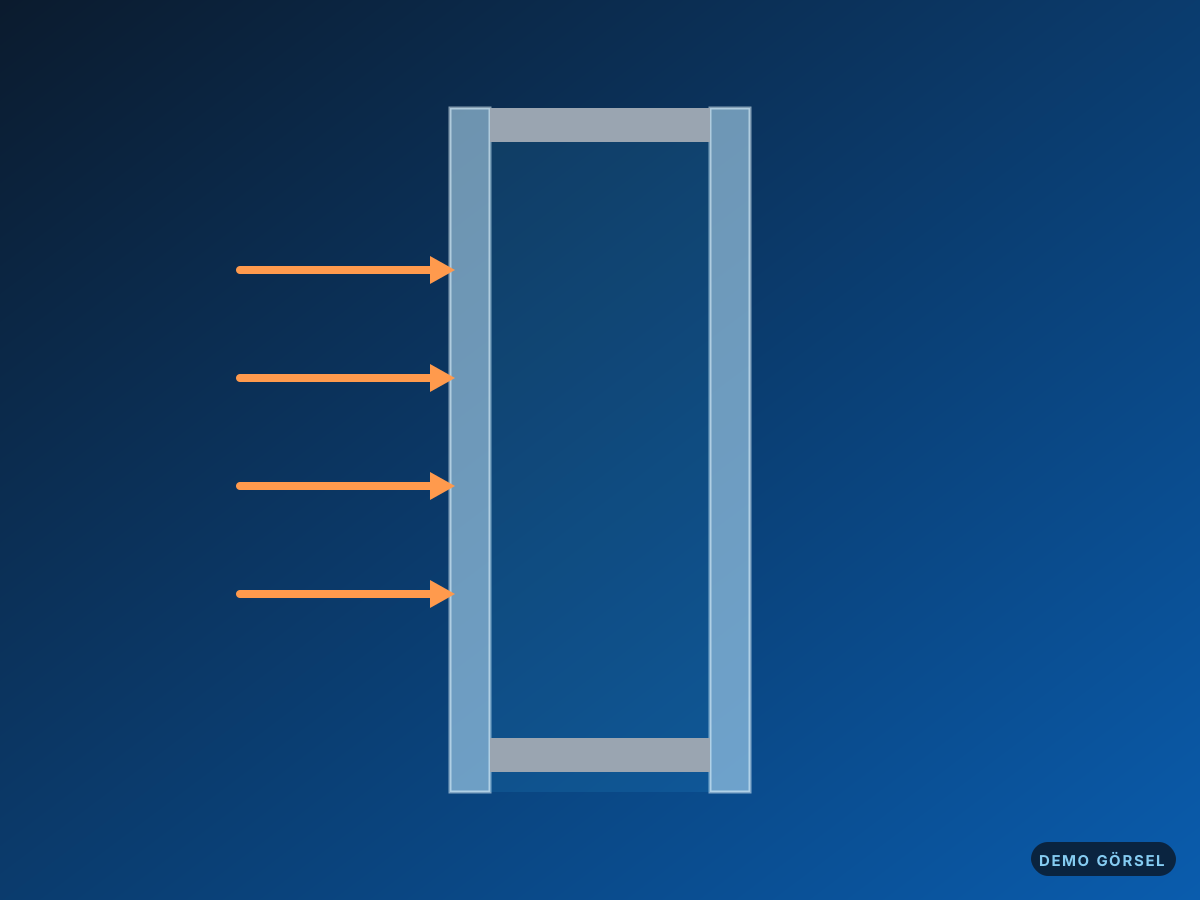
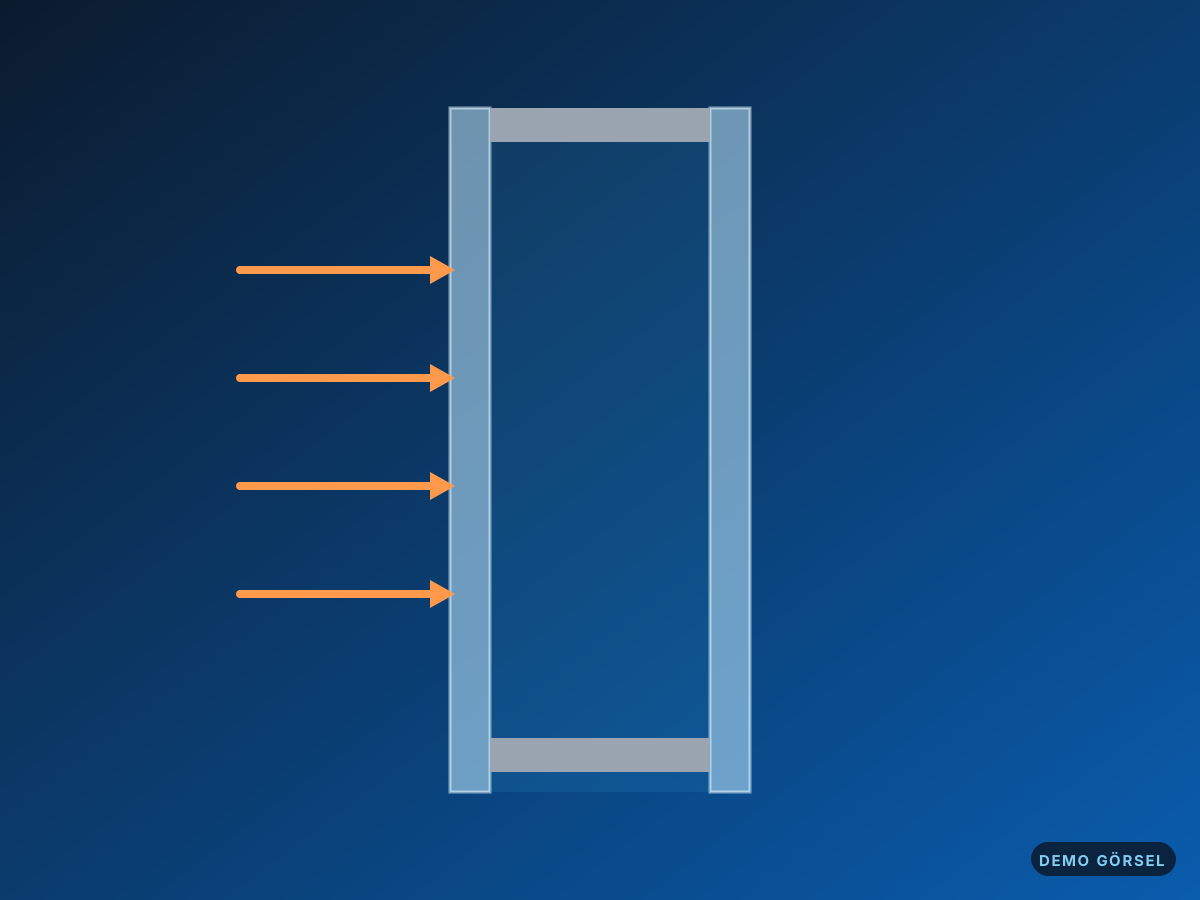
A standard 4+16+4 double glazed unit with a 16 mm air cavity between two panes. The basic insulating glass for...
PriceDetermined at survey
Double glazing, Low-E comfort glass, laminated safety glass and on-site glass replacement. Energy savings and comfort with the right glass for Ortaca’s hot summers and humid winters.
A standard 4+16+4 double glazed unit with a 16 mm air cavity between two panes. The basic insulating glass for...
Low-E double glazing with an invisible metal oxide coating keeps heat inside in winter, while the solar contro...
Laminated safety glass with a PVB interlayer between two panes that does not shatter when broken. Provides saf...
Broken, cracked or fogged glass in existing PVC and aluminium joinery is measured on site and replaced. An eco...

Glass makes up roughly seventy to eighty per cent of a window’s surface. So however good the profile is, the wrong glass is the main cause of heat loss, overheating in summer and condensation. In Ortaca, Dalyan and Köyceğiz the summer sun is very strong, while winters are damp and cool. Choosing the right double glazing means the air conditioner runs less, no fogging or mould forms on the glass in winter and the home stays at a balanced temperature.
Double glazing is insulating glass made by sealing two or more panes together at the edges with an aluminium or warm edge spacer between them. The cavity between the panes is filled with dry air or argon gas. The most common combination is 4+16+4: two 4 mm panes with a 16 mm cavity. A desiccant inside the spacer prevents fogging within the unit.
| Glass Type | Ug (W/m²K) | Key Feature |
|---|---|---|
| Standard double glazing 4+16+4 | approx. 2.7 | Basic thermal insulation |
| Low-E double glazing | approx. 1.1-1.6 | High thermal insulation |
| Solar control + Low-E | approx. 1.0-1.3 | Reduces summer heat gain |
| Laminated double glazing | Depends on build-up | Safety and sound insulation |
Because of long, hot summers, solar control matters in our region as much as thermal insulation. On south and west facades, Low-E double glazing with solar control clearly reduces summer heat gain. On north facades standard Low-E glass is enough. In humid homes near the lake and channel, a warm edge spacer reduces condensation at the glass edges. For bedrooms facing the street, double glazing with different pane thicknesses or laminated glass improves sound insulation.
For old PVC or aluminium windows with sound frames, replacing only the glass is an economical upgrade. Old single panes or fogged units can be replaced with modern Low-E double glazing to significantly improve insulation. Glass replacement is usually done on site by removing the glazing beads, without taking the window out.
If fog forms between the two panes, the unit has lost its seal and must be replaced. Fog on the room-side surface, however, relates to indoor humidity and is reduced by regular ventilation and better insulating glass. We make this distinction on site during the survey to avoid unnecessary replacement.
Glass units are produced to the millimetre. During the free survey and measurement the sash glazing rebate is measured and the bead type and glass thickness are determined. During installation the glass is positioned correctly with setting blocks, which is critical to prevent the sash from sagging. For bulk replacement of fogged or broken glass in guesthouses and apart hotels, we measure all rooms in one survey and schedule the work around guest bookings. We provide glass solutions for homes and businesses in Ortaca, Dalaman, Dalyan and Köyceğiz.

The U-value is the most important measure of how much heat escapes through a window. We explain the difference between Ug, Uf and Uw, how the values are calculated and how replacing windows affects your energy bill, with an example.

Condensation between the panes cannot be wiped away and does not go away on its own. We explain why double glazing mists up, how to tell it apart from surface condensation and whether replacing just the glass is enough.

What does 4+16+4 mean in double glazing quotes, and why do argon gas and a Low-E coating make a difference? We explain the structure of insulated glass units, spacer choice and the insulation values of different glazing units side by side.
We'll come to your address, take measurements and show you colour and system options on site. We'll send your quote the same day.